Food Packaging and Plastic Bottles Make Up the Bulk of Marine Debris
Used once and then discarded immediately: The use of single-use plastic continues to rise worldwide. A study published in June 2026 highlights the drastic consequences of this trend. Plastic food and beverage packaging, plastic bags, and cigarette butts are among the most common types of coastal litter worldwide.
Study analyzes plastic waste on coasts worldwide
For the article published in June 2026 in the scientific journal One Earth , researchers analyzed data from 355 studies and more than 5,300 coastal litter surveys. Using an analytical method, they created a statistically weighted comparison for 112 countries representing approximately 86% of the world’s population.
The goal of the study was to determine which plastic products most frequently end up in the environment worldwide and thus play the largest role in plastic pollution.
Food packaging is the most common type of plastic waste
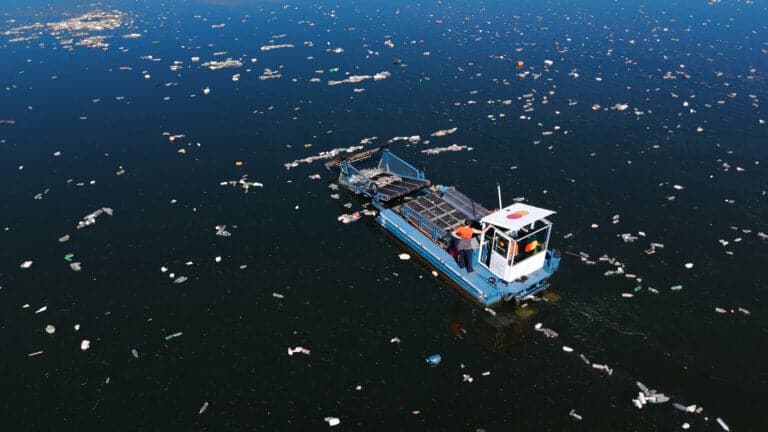
The data paints a clear picture: About 97% of all coastal litter recorded consists of plastic. Food and beverage packaging (such as plastic bottles) was found most frequently.
Plastic bags come in second place, ranking among the top three most common types of waste in 39% of countries. These are followed by cigarettes and cigarette filters (38%), fishing and shipping equipment (34%), and polystyrene and foam products (27%).
The study shows that single-use packaging, in particular, accounts for the majority of marine debris worldwide.
Why food packaging and single-use plastic dominate the coasts
According to the researchers, the findings reflect global plastic production volumes. Food and beverage packaging accounts for a significant portion of the plastic produced worldwide and consists primarily of single-use products.
Single-use plastic products account for about 70% of global plastic waste. High production levels, high consumption, and increasing urbanization explain why this packaging is found all over the world’s coastlines.
The study thus demonstrates a clear correlation between the amount of plastic produced and environmental pollution.
Regional differences in marine debris
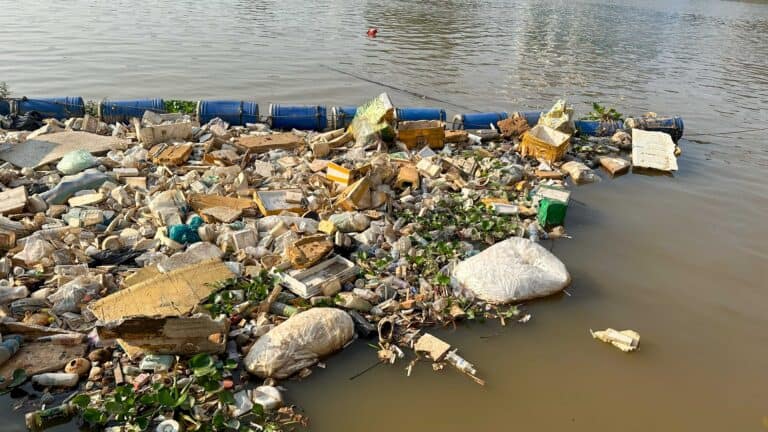
Although the composition of plastic waste is very similar worldwide, there are regional differences. These are related, among other things, to ocean currents, population density, and geographical characteristics.
Plastic bottles have been found in all the oceans. Their concentration was particularly high in polar regions such as Antarctica and the Arctic. Because bottles can float on the water for long periods of time, they are carried over long distances and end up even in remote, sparsely populated regions.
The researchers point out that coastal debris does not always originate exclusively from the region in question. In small island nations in particular, ocean currents can wash ashore large quantities of plastic from other parts of the world.
Policy measures can reduce plastic waste
The study also shows that policy measures to reduce single-use plastic can be effective. For example, taxes on plastic bags have significantly reduced consumption in the United Kingdom and Ireland.
By identifying the most common types of plastic waste at the national and regional levels, the study provides an important scientific basis for future measures to combat plastic waste.
In addition, the researchers are providing important insights to inform policy decisions, such as those related to the planned UN plastic treaty. Reducing single-use plastic could help significantly reduce global plastic pollution and marine debris in the long term.